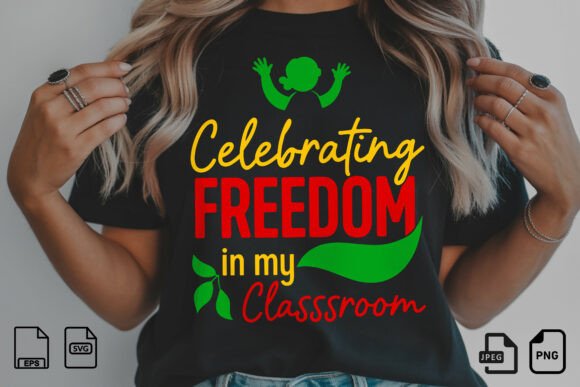
Celebrating Freedom in Classroom
Celebrating Freedom in Classroom is a concept that emphasizes the importance of teaching about freedom, history, and cultural heritage within educational settings. This approach encourages educators to incorporate themes of empowerment, inclusion, and awareness into their curriculum. By doing so, students are not only informed about historical events but also inspired to value and uphold the principles of freedom and equality.
There are several reasons why someone might be interested in Celebrating Freedom in Classroom. Educators who are passionate about promoting cultural pride and historical awareness may find this approach particularly appealing. It allows them to create a learning environment that honors diverse backgrounds and fosters a sense of unity among students. Additionally, teachers who are involved in special events such as Juneteenth or Black History Month may seek ways to integrate these themes into their classroom activities.
The benefits of Celebrating Freedom in Classroom include enhanced student engagement and a deeper understanding of historical contexts. When students learn about the struggles and triumphs of different communities, they develop empathy and a broader perspective on social issues. Furthermore, incorporating such themes can help educators align their teaching with national standards that emphasize civic education and social studies.
However, there are also tradeoffs and considerations to keep in mind. Implementing a Celebrating Freedom in Classroom initiative may require additional resources, including time, materials, and training for educators. It is essential to ensure that the content presented is accurate, respectful, and inclusive of all perspectives. Teachers must also be prepared to address potential sensitivities or controversies that may arise from discussing complex historical topics.
Celebrating Freedom in Classroom may be a strong fit for educators who are committed to creating an inclusive learning environment. Schools and educational programs that prioritize cultural awareness and historical education will likely benefit from integrating these themes into their curriculum. Additionally, it can be an effective way to engage students in discussions about current social issues and encourage them to become active participants in their communities.
On the other hand, alternatives may be worth considering depending on the specific needs and goals of the educator or institution. For example, if the focus is more on general academic skills rather than social studies or cultural awareness, alternative curricular approaches may be more appropriate. Similarly, educators who lack the necessary resources or support may need to explore other methods of incorporating themes of freedom and empowerment into their teaching practices.
When evaluating whether Celebrating Freedom in Classroom aligns with your goals or needs, consider the following insights. First, assess the overall mission and values of your educational institution. If promoting cultural pride and historical awareness is a priority, then this approach is likely to be a good fit. Second, evaluate the available resources and support systems in place. Educators who have access to professional development opportunities and community partnerships may find it easier to implement this approach successfully.
Finally, think about the impact you want to have on your students. If you aim to inspire future leaders who are informed about their rights and responsibilities as citizens, then Celebrating Freedom in Classroom can be a powerful tool. However, if your primary objective is to focus on core academic subjects without delving into social issues, then alternative strategies may be more suitable.