Errorist: A Bold Art Deco Display Serif for Modern Branding
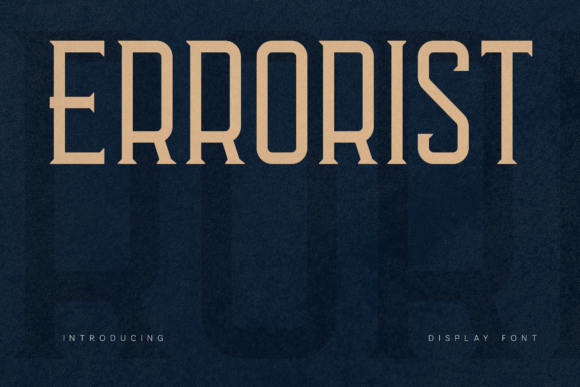
Errorist is a striking display serif typeface that draws inspiration from the Art Deco movement of the 1920s. Designed to command attention, it features sharp angular terminals, condensed proportions, and a dramatic vertical structure that brings vintage elegance into modern branding. This font is particularly well-suited for projects that require a strong visual impact, such as luxury branding, whiskey and cigar labels, boutique hotel identities, fashion editorials, and cinematic typography.
What Makes Errorist Unique?
Errorist stands out due to its unique combination of historical influence and contemporary application. Its design elements reflect the boldness and sophistication of 1920s poster typography while adapting to the needs of today’s designers. The sharp angles and condensed form give it a sense of authority and rhythm, making it ideal for headlines and other prominent text elements.
The vertical structure of Errorist adds a sense of height and prominence to any text it is applied to. This makes it particularly effective in situations where the message needs to be immediately noticeable, such as on posters or packaging. The refined character of each letter ensures that even though the font is bold, it maintains an air of elegance and sophistication.
Comparing Errorist with Similar Typefaces
When considering alternatives to Errorist, it's important to understand how it compares with other display serif fonts. Fonts like Playfair Display or Bodoni are also popular choices for luxury branding, but they tend to have more traditional and less angular forms. These fonts may not offer the same level of dramatic presence that Errorist provides.
Another consideration is the use of condensed typefaces. While many modern sans-serif fonts are designed for legibility at smaller sizes, Errorist is specifically crafted for larger, impactful displays. This makes it a better fit for applications such as movie titles or high-impact advertisements rather than body text.
In terms of style, Errorist blends the geometric precision of modern design with the ornate details of the past. This dual nature allows it to be versatile across different industries, from fashion to hospitality. However, this versatility also means that it might not be the best choice for all projects. For example, if a brand requires a more minimalist or modern aesthetic, another typeface might be more appropriate.
Strengths and Tradeoffs of Using Errorist
One of the main strengths of Errorist is its ability to convey authority and sophistication. Its angular design gives it a sense of strength and confidence, which can be very appealing for brands looking to establish a commanding presence in their market. This makes it especially useful for luxury products and services where the visual identity plays a crucial role in brand perception.
However, there are also some tradeoffs to consider. Because of its bold and dramatic nature, Errorist may not be suitable for every design context. It works best when used sparingly and in situations where the text needs to stand out. Overusing it could lead to visual clutter, especially in more complex layouts.
Additionally, while Errorist is highly effective for large-scale designs, it may not be the best choice for small text sizes. At smaller sizes, the sharp angles and condensed form can make the letters harder to read, reducing the overall effectiveness of the typeface.
Best-Fit Situations for Errorist
Errorist is particularly well-suited for a variety of design applications. Here are some of the most common scenarios where it excels:
- Luxury branding: The elegance and authority of Errorist make it a perfect fit for high-end brands that want to communicate exclusivity and sophistication.
- Whiskey and cigar labels: The vintage feel of Errorist aligns well with the heritage and craftsmanship associated with these products.
- Boutique hotels: The dramatic vertical structure of Errorist can help create a memorable and luxurious brand identity for boutique accommodations.
- Fashion editorials: The bold and stylish nature of Errorist complements the high-fashion aesthetics often found in editorial layouts.
- Cinematic typography: With its strong visual impact, Errorist is an excellent choice for movie titles and other cinematic branding elements.
- Packaging systems: The refined character of Errorist can enhance the visual appeal of product packaging, making it stand out on store shelves.
- Restaurant and bar identities: The commanding presence of Errorist can help create a strong brand image for restaurants and bars that want to exude sophistication and style.
While these are some of the most common use cases, it's important to remember that Errorist should be used thoughtfully. It works best when paired with other design elements that complement its bold nature, such as rich colors, high-quality imagery, and sophisticated layouts.
When to Choose Errorist and When to Consider Alternatives
Errorist is a great choice for projects that require a strong visual impact and a touch of vintage elegance. However, it may not be the best option for every situation. If a brand is looking for something more modern or minimalistic, other typefaces may be more appropriate.
For instance, if a designer is working on a digital platform that requires a lot of body text, a more readable and versatile font would be a better choice. In such cases, a sans-serif typeface like Helvetica Neue or a more traditional serif like Times New Roman might be more suitable.
Similarly, if the project requires a more playful or casual tone, a typeface with a more whimsical or modern design might be preferable. It's important to evaluate the overall brand identity and the specific requirements of the project before deciding on the right typeface.
In conclusion, Errorist is a powerful and elegant typeface that can elevate the visual impact of any design. Whether it's for luxury branding, cinematic typography, or high-end packaging, Errorist offers a unique blend of historical inspiration and modern functionality. By understanding its strengths and limitations, designers can make informed decisions about when and how to use this remarkable typeface.