Neatline – A Refined Display Font for Modern Design Projects
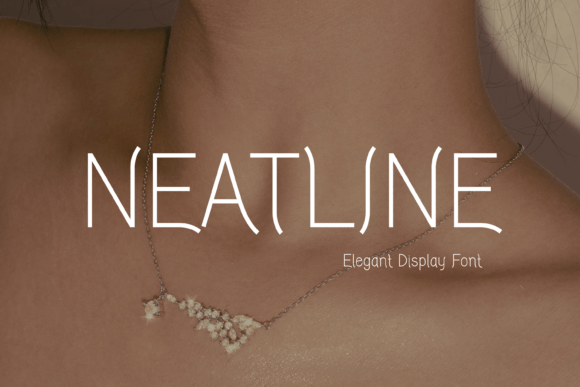
Neatline is a display font that stands out with its elegant and minimalist design, making it an excellent choice for designers looking to add sophistication to their visual projects. Its sleek lines, gentle curves, and clean structure offer versatility across a wide range of applications, from branding to editorial design and beyond. Whether you're working on luxury packaging, digital illustrations, or social media graphics, Neatline provides a refined aesthetic that aligns with modern design trends.
What Makes Neatline Unique?
At first glance, Neatline may appear simple, but its subtle details make it stand out among other display fonts. The font features a balanced weight distribution, ensuring readability even at smaller sizes while maintaining a high level of elegance. This makes it suitable for both short headings and longer body text in certain contexts. Unlike more ornate or decorative fonts, Neatline maintains a sense of clarity and professionalism without sacrificing style.
One of the key distinctions of Neatline is its adaptability. It can be used effectively in both digital and print formats, which is essential for designers who need consistency across multiple platforms. The font's minimalistic approach allows it to blend seamlessly into various color schemes and backgrounds, making it a versatile option for different creative projects.
Comparing Neatline With Similar Fonts
While there are several display fonts available in the market, each with its own unique characteristics, Neatline occupies a niche that emphasizes elegance and simplicity. Fonts like Montserrat or Lato are often favored for their modern sans-serif aesthetics, but they tend to be more utilitarian than decorative. In contrast, Neatline strikes a balance between formality and approachability, making it ideal for high-end branding and editorial layouts.
For those seeking a more stylized look, fonts such as Cinzel or Playfair Display offer a more dramatic and ornate feel. However, these fonts may not be as effective in situations where readability and clarity are paramount. Neatline’s design avoids excessive embellishment, ensuring that it remains legible and professional in all applications.
Best-Fit Situations for Using Neatline
Neatline is particularly well-suited for projects that require a touch of refinement without overwhelming the viewer. Here are some scenarios where Neatline shines:
- Cricut Designs: For creating stickers, labels, and DIY crafts, Neatline’s clean lines and elegant curves provide a polished finish that complements handmade items.
- Procreate Lettering: Artists using Procreate can leverage Neatline for digital illustrations and lettering, where the font's minimalist style enhances the overall composition.
- Digital Journaling: When designing templates for Goodnotes or Notability, Neatline offers a stylish yet readable option for digital journaling and note-taking.
- Canva Projects: From posters to YouTube thumbnails, Neatline adds a sophisticated touch to social media content and printables created with Canva.
- Merchandise Design: For POD (Print-on-Demand) items like t-shirts, mugs, and cards, Neatline ensures a premium look that appeals to consumers seeking quality and style.
- Wedding Invitations: In wedding stationery, Neatline brings a sense of class and elegance, making it an ideal choice for invitations and other event-related materials.
- Editorial Layouts: Magazines and publications benefit from Neatline’s structured design, allowing for clear headings and titles that draw attention without distraction.
- Minimalist Websites: Web designers aiming for a modern, clean interface can use Neatline to enhance typography, contributing to a cohesive and visually appealing site.
When to Consider Alternatives
While Neatline excels in many areas, it may not be the best fit for every project. If your design requires a more dynamic or expressive typeface, you might consider alternatives that offer greater variation in weight, texture, or ornamentation. Additionally, if your project involves large blocks of text, a more readable serif or sans-serif font could be more appropriate than a display font like Neatline.
Designers should also take into account the context in which the font will be used. For instance, in highly technical or academic environments, a more conventional font may be preferred to maintain a sense of neutrality and professionalism. Neatline, with its emphasis on aesthetics, may not be the optimal choice in such cases.
Evaluating Neatline Against Other Options
When evaluating Neatline against other display fonts, it's important to consider factors such as readability, scalability, and compatibility with different design tools. While some fonts may offer a broader range of stylistic variations, Neatline’s focus on elegance and minimalism sets it apart in specific design contexts.
Another consideration is the font's performance across different mediums. Neatline has been optimized for both digital and print use, which is a significant advantage for designers working on cross-platform projects. This adaptability reduces the need to switch between fonts depending on the output format, streamlining the design process.
Conclusion
Neatline is a display font that combines elegance with functionality, making it a valuable addition to any designer’s toolkit. Its minimalist design, clean structure, and versatility allow it to be used in a variety of contexts, from luxury branding to digital illustrations. While it may not be the right choice for every project, Neatline offers a refined aesthetic that can elevate the visual appeal of many design initiatives. By understanding its strengths and limitations, designers can make informed decisions about when and how to incorporate Neatline into their work.