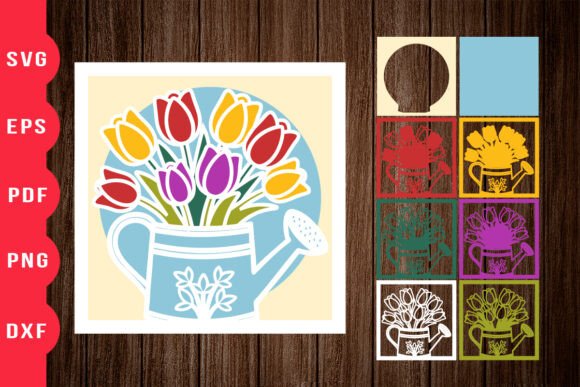
Tulip Watering Can 3D Shadow Box: A Versatile Asset for Creative Professionals
The Tulip Watering Can 3D Shadow Box represents a specific intersection of digital design and tangible craft, offering a structured approach to creating depth in home décor. Unlike flat vector art that requires additional manual layering to achieve dimensionality, this design is pre-conceived with balanced depth and clean outlines. The result is a cohesive visual element that transforms easily from a simple print into a complex, multi-layered installation. For creators, educators, and small business owners looking to expand their product offerings or enhance their own spaces, this asset provides a reliable foundation for spring-themed projects without requiring advanced artistic skills.
Understanding the Design Architecture
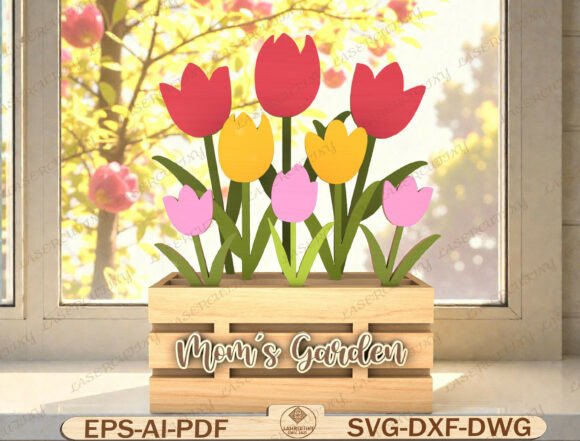
At its core, the Tulip Watering Can 3D Shadow Box is a composition featuring beautifully layered tulip flowers arranged within the silhouette of a charming watering can. The design philosophy prioritizes clarity; the outlines are crisp, ensuring that when cut or printed, the edges remain sharp regardless of the material used. The color palette is intentionally soft, evoking a fresh and cozy spring feeling that appeals to a broad demographic. This aesthetic neutrality allows the piece to fit seamlessly into modern farmhouse, minimalist, or eclectic interior styles.
The "shadow box" aspect refers to the physical construction method where layers are spaced apart using spacers or adhesive foam tape. This technique creates a parallax effect, giving the image three-dimensional volume. When viewed from different angles, the tulips appear to rise above the watering can background, adding a dynamic quality that flat wall art lacks. The design's strength lies in its balance; it avoids clutter while maintaining enough detail to be visually engaging.
Technical Specifications and File Flexibility
One of the most significant advantages of this resource is the comprehensive format suite included in the download ZIP file. In a professional workflow, compatibility is often the primary bottleneck. This package mitigates that risk by providing multiple file types tailored to different hardware and software ecosystems:
- SVG (Scalable Vector Graphics): This is the industry standard for cutting machines like Cricut and Silhouette. It allows for infinite scaling without pixelation, ensuring that whether you are cutting a small keychain or a large wall mural, the quality remains consistent.
- EPS (Encapsulated PostScript): Designed for professional print workflows, this format ensures high fidelity when sending files to commercial printers or using Adobe Illustrator for further customization.
- PNG (Portable Network Graphics): With a resolution of 300 DPI, this raster format is ready for immediate printing on inkjet or laser printers without the need for tracing or conversion.
- DXF (Drawing Exchange Format): Essential for users employing laser cutting software, this format translates vector paths into instructions compatible with CO2 lasers for precise cutting and engraving.
- PDF (Portable Document Format): Ideal for easy sharing, viewing, or direct printing from standard document readers, making it accessible even to those unfamiliar with specialized design software.
This variety ensures that the Tulip Watering Can 3D Shadow Box is not limited to a single type of creator. Whether you are a hobbyist with a basic cutter or a studio owner managing a fleet of laser engravers, the file structure supports your existing infrastructure.
Practical Applications and Real-World Performance
The versatility of this design extends beyond the typical craft room. While it is perfectly suited for DIY enthusiasts, its robust nature makes it a viable option for entrepreneurs looking to create sellable products. Small business owners can produce framed art, nursery decorations, or seasonal greeting cards with high perceived value due to the intricate layering involved.
In a classroom setting, educators can utilize this project to teach students about geometry, spatial awareness, and assembly techniques. The clear layers provide a logical sequence for learners to follow, reducing frustration and increasing the likelihood of a successful final product. Furthermore, the design serves as an excellent example for marketing professionals demonstrating how digital assets translate into physical goods.
For those without access to electronic cutting machines, the design remains accessible. The clean outlines allow for manual cutting using a precision art knife. While this method requires more time and patience than automated processes, it offers a tactile experience that some artisans prefer. The structural integrity of the design holds up well under manual handling, provided the user exercises care during the separation of layers.
Enhancing the Visual Impact
To elevate the Tulip Watering Can 3D Shadow Box from a static decoration to an interactive lighting feature, the integration of LED light strips is a highly effective strategy. Placing flexible LED strips behind the layers or within the recessed areas of the shadow box creates gentle, colorful lighting effects. As the light passes through the gaps between the tulip petals and the watering can rim, it casts dynamic shadows that change throughout the day or night.
This addition transforms the piece into a glowing focal point, ideal for evening ambiance or as a unique gift item. The soft colors of the original design interact beautifully with backlighting, preventing harsh contrasts and maintaining the intended cozy atmosphere. This level of customization demonstrates the design's adaptability; it can function as a simple daytime accent or a sophisticated nighttime display depending on the builder's intent.
Evaluating Usability and Long-Term Value
When assessing the long-term value of a digital asset, consistency and reliability are paramount. The Tulip Watering Can 3D Shadow Box delivers on these fronts. The vector data is organized logically, meaning layers are named and grouped appropriately, which streamlines the cutting process. Users do not need to spend excessive time untangling nodes or reordering elements before production begins.
However, potential users should consider the physical materials required. Achieving the true "3D" effect relies heavily on the choice of backing board, spacer thickness, and the stability of the mounting surface. If the materials are too flimsy, the delicate layers may warp or detach over time. Therefore, while the digital file is flawless, the longevity of the physical object depends on the quality of the assembly. For best results, use archival-quality cardstock or wood veneer to ensure the piece withstands environmental changes without fading or warping.
Who Should Utilize This Resource?
This design is particularly beneficial for:
- Craft Entrepreneurs: Those selling handmade goods on platforms like Etsy or at local markets can use this design to create high-margin items with minimal setup time.
- Home Decorators: Individuals seeking to personalize their living spaces with seasonal themes will find the spring motif timeless and adaptable.
- Educators and Hobbyists: Anyone interested in learning about layering techniques or working with vector files will appreciate the clear structure of the design.
- Gift Givers: The combination of effort involved in assembling a shadow box and the personalized nature of the design makes it a thoughtful gift for birthdays, housewarmings, or Mother's Day.
While the design is versatile, it may not suit users who require industrial-grade durability for outdoor use, as paper-based shadow boxes are generally susceptible to moisture. Additionally, those seeking abstract or non-representational art might find the floral theme too literal.
Conclusion
The Tulip Watering Can 3D Shadow Box stands out as a well-engineered digital resource that bridges the gap between simple graphics and complex physical art. Its inclusion of multiple file formats, coupled with a design that balances aesthetic appeal with technical precision, makes it a valuable tool for a wide range of creative applications. Whether used to generate revenue, enhance a personal space, or facilitate learning, this asset offers a practical solution for bringing a touch of spring indoors. By combining the charm of traditional floral imagery with modern crafting techniques, it provides a solid platform for creativity without unnecessary complexity.