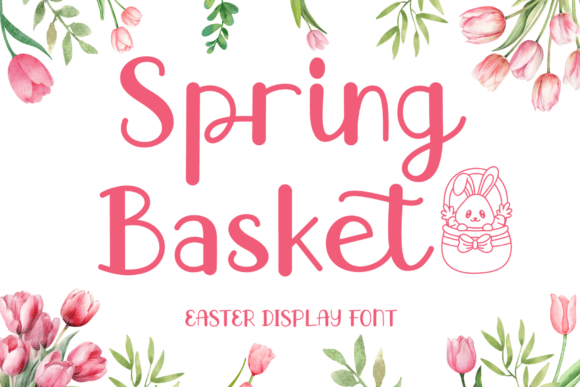
Spring Basket: A Versatile Typeface for Spring-Themed Design Projects
Typography plays a crucial role in visual communication, and choosing the right typeface can significantly impact the effectiveness of a design. Spring Basket is a seasonal display typeface designed to reflect the lightness and optimism associated with spring. This font combines softness with clarity, offering a friendly yet polished appearance that appeals to both creative and commercial applications.
Understanding Spring Basket’s Unique Design
Spring Basket stands out due to its carefully constructed letterforms that balance playful warmth with strong legibility. The character shapes are crafted to maintain visual harmony while offering enough personality to stand out in competitive layouts. Whether used for headlines or body text, this typeface ensures readability without sacrificing aesthetic appeal.
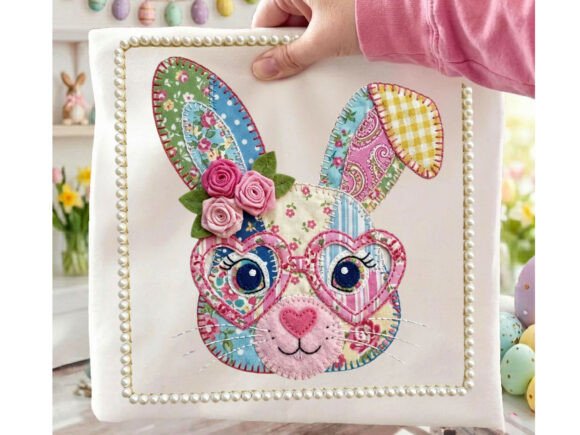
The design of Spring Basket makes it ideal for projects that require a sense of renewal and freshness. Its versatility allows it to perform beautifully in both print and digital environments, making it suitable for a wide range of uses including Easter campaigns, spring promotions, packaging, greeting cards, and lifestyle branding.
Comparing Spring Basket with Similar Typefaces
When considering typefaces for seasonal or promotional content, designers often look for fonts that convey specific moods or themes. While Spring Basket has unique qualities, it's helpful to compare it with similar options to understand where it fits best.
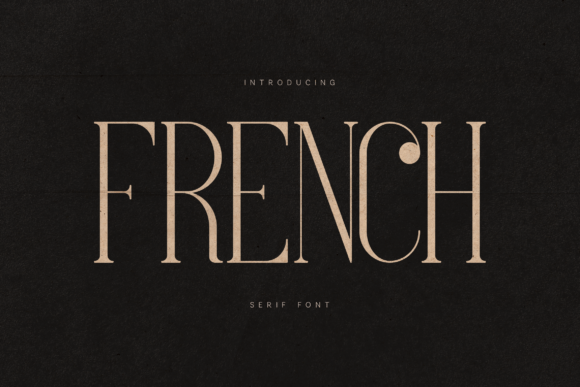
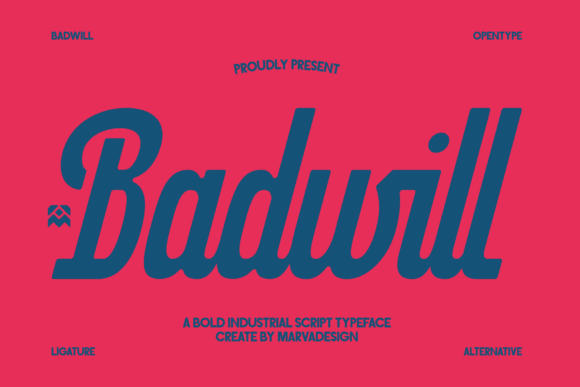
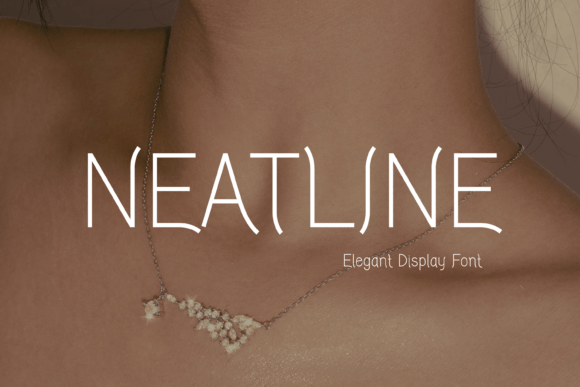
Fonts like Bauhaus 93 or Helvetica Neue offer clean, modern aesthetics but may lack the warmth and playfulness that Spring Basket provides. In contrast, more decorative fonts such as Gilroy or Pacifico can be too bold or stylized for commercial use, making them less versatile for a broad range of applications.
Spring Basket occupies a middle ground—offering enough character to feel expressive while maintaining the professionalism needed for branding and marketing materials. This makes it a good alternative to more traditional serif or sans-serif fonts when a designer wants to inject a sense of seasonality into their work.
Strengths and Tradeoffs of Spring Basket
The primary strength of Spring Basket lies in its ability to convey a positive, approachable tone. Its soft curves and open counters give it a gentle feel, which is especially effective for spring-themed content. Additionally, the font's strong legibility ensures that it remains readable even at smaller sizes, making it useful for both headings and body copy.
However, there are some tradeoffs to consider. While Spring Basket excels in creating a friendly atmosphere, it may not be the best choice for projects that require a more formal or serious tone. For instance, legal documents or corporate reports might benefit from a more structured and traditional typeface rather than one that feels light and whimsical.
Another consideration is the font's availability. As a specialized seasonal typeface, Spring Basket may not be as widely recognized or accessible as more common fonts. Designers should ensure they have access to the font and understand how it will render across different platforms and devices.
Best-Fit Situations for Spring Basket
Spring Basket is particularly well-suited for projects that align with the theme of spring. This includes:
- Easter Campaigns: With its cheerful and inviting style, Spring Basket works well for promotional materials related to Easter, such as advertisements, flyers, and social media graphics.
- Spring Promotions: Retailers and brands launching spring collections can use Spring Basket to create eye-catching banners, posters, and email headers.
- Packaging: The font’s clean and friendly appearance makes it ideal for product packaging, especially for items that target younger audiences or emphasize natural and organic themes.
- Greeting Cards: From birthday cards to thank-you notes, Spring Basket adds a personal touch that complements the sentiment of the message.
- Lifestyle Branding: Lifestyle brands that focus on wellness, fashion, or home decor can use Spring Basket to reinforce their brand identity with a fresh and welcoming feel.
In these scenarios, Spring Basket helps communicate the intended mood effectively while maintaining a professional appearance.
When to Choose Another Font
While Spring Basket is an excellent choice for spring-themed projects, it may not be the best fit in certain situations. For example, if a project requires a more neutral or classic look, a standard sans-serif or serif font might be more appropriate. Similarly, for highly technical or academic content, a more formal font would likely be better suited to the context.
Designers should also consider the audience they are targeting. If the project is aimed at a more mature demographic, the playful nature of Spring Basket could be perceived as too juvenile. Conversely, for children's products or educational materials, the font’s friendly tone could be a significant advantage.
Ultimately, the decision to use Spring Basket depends on the specific needs of the project. It is important to evaluate factors such as the message being conveyed, the target audience, and the overall visual style of the design before making a final choice.
Practical Tips for Using Spring Basket
To get the most out of Spring Basket, consider the following tips:
- Pair with Complementary Fonts: Use Spring Basket as a headline font and pair it with a more traditional font for body text to create a balanced and visually appealing layout.
- Experiment with Color: The soft curves of Spring Basket can be enhanced with pastel or bright colors that evoke the feeling of spring.
- Test Across Platforms: Ensure that Spring Basket renders consistently across different devices and browsers to maintain a cohesive look.
- Use Sparingly: While Spring Basket is expressive, overusing it can lead to a cluttered or unprofessional appearance. Reserve it for key elements like headlines or call-to-action buttons.
By keeping these considerations in mind, designers can effectively leverage the strengths of Spring Basket while avoiding potential pitfalls.